
FOB vs CIF vs DDP: Shipping Cabinets from China
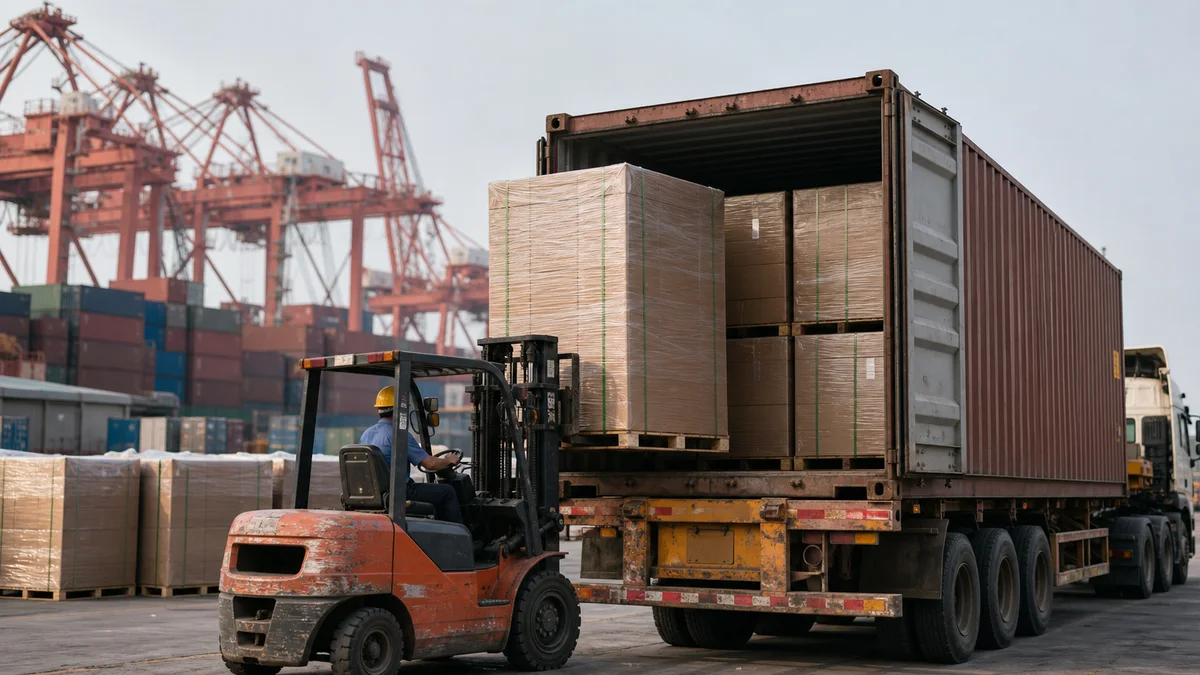
When you import cabinets from China, the price you're quoted only means something once you know the trade term behind it. FOB, CIF and DDP decide who arranges the shipping, who pays for what, and where the risk passes from seller to you. Compare two quotes on different terms and you'll pick the wrong supplier. This guide explains each term in plain language and helps you choose.
What Incoterms are (and why they matter here)
Incoterms are a set of standard international trade terms — maintained under Incoterms 2020 — that define exactly where the seller's responsibility ends and yours begins: transport, insurance, export and import clearance, duties, and the point at which risk transfers. For bulky, fragile goods like cabinets, that dividing line has real cost. The same container of kitchens can carry three very different "prices" depending on whether it's quoted FOB, CIF or DDP — not because the cabinets differ, but because different amounts of freight, insurance and duty are already baked in.
FOB — Free On Board
Under FOB, the manufacturer delivers the goods, cleared for export, loaded onto the vessel at the China port of loading (e.g. Shenzhen or Guangzhou). From that point on, ocean freight, insurance, destination charges, import clearance and duties are yours.
FOB gives you the most control: you (or your freight forwarder) choose the carrier, route and insurance, which often means the lowest total cost if you ship regularly. The trade-off is that you need a forwarder and some import know-how. FOB is the most common term for experienced buyers and the cleanest basis for comparing factory prices, because it isolates the cost of the goods from the cost of moving them.
CIF — Cost, Insurance and Freight
Under CIF, the seller arranges and pays ocean freight and minimum insurance to your destination port. Risk still technically passes at the origin port, but the seller books the main voyage.
CIF is convenient if you don't want to arrange sea freight yourself — the goods arrive at your port and you take over from there (local charges, customs, duties, inland delivery). The catch: the freight and insurance are chosen by the seller, so you have less control over carrier and cost, and you still handle import clearance and duties at your end. Good for buyers who want the ocean leg handled but are comfortable clearing customs locally.
DDP — Delivered Duty Paid
Under DDP, the seller delivers the goods all the way to your named address, having paid everything — freight, insurance, import clearance and duties. It's the maximum-convenience, minimum-hassle option: you effectively receive the cabinets at your door.
DDP is the simplest to buy but usually the highest headline price, because every downstream cost is bundled in (and the seller carries the risk and the paperwork). It's popular with buyers who don't want to touch logistics or customs at all. Watch two things: confirm what "delivered" means (kerbside vs inside), and make sure duties are genuinely included so there's no surprise bill on arrival.
Side-by-side comparison
| FOB | CIF | DDP | |
|---|---|---|---|
| Ocean freight paid by | You | Seller | Seller |
| Insurance | You | Seller (minimum) | Seller |
| Import clearance & duties | You | You | Seller |
| Delivery to your door | You arrange | You arrange from port | Seller |
| Your control over shipping | Highest | Medium | Lowest |
| Headline price | Lowest | Middle | Highest |
| Best for | Regular importers with a forwarder | Buyers who can clear customs locally | Buyers who want zero logistics hassle |
Which term should you choose?
There's no universally "best" term — it depends on your experience and volume:
- Ship often, have a forwarder? FOB usually wins on total landed cost and control.
- Want the sea freight handled but you can clear customs? CIF is a comfortable middle.
- First order, or you simply don't want to deal with logistics and duties? DDP buys you simplicity — just verify duties are truly included and confirm the delivery point.
Two rules that save buyers money every time. First, always compare quotes on the same term — an FOB number will always look cheaper than a DDP number for the identical cabinets. Second, ask what's included and excluded: packing, pallets, documents, destination port charges, and whether "delivered" means to the door or to the kerb. When you've verified who you're buying from — see our factory — and put every quote on the same basis, the real cost comparison becomes obvious. For the full sourcing process around this, see how to source kitchen cabinets from China.
FAQ
Frequently asked questions
Which is cheapest — FOB, CIF or DDP?
FOB has the lowest headline price because it excludes freight, insurance and duties. But the cheapest headline isn't always the cheapest delivered cost — add your own freight and duty to an FOB quote before comparing it to DDP.
Does CIF insurance fully cover my cabinets?
CIF requires only minimum insurance cover. If your shipment is high-value, consider arranging additional coverage rather than relying on the baseline.
With DDP, could I still get a customs bill?
You shouldn't, if duties are genuinely included — but confirm it in writing. Also clarify whether DDP delivery is to your door or only to a nearby terminal.
Can one supplier quote all three terms?
Yes. A manufacturer can usually quote FOB, CIF or DDP for the same order — just make sure you're comparing the term you actually want across suppliers.
Which term is best for a first-time importer?
Many first-time buyers choose DDP for simplicity, then move to FOB as they build a relationship with a forwarder and gain confidence clearing customs.
Start a conversation
Tell us your destination port and we'll quote on the term that suits you
Get a Factory-Direct QuoteKeep reading
Related posts
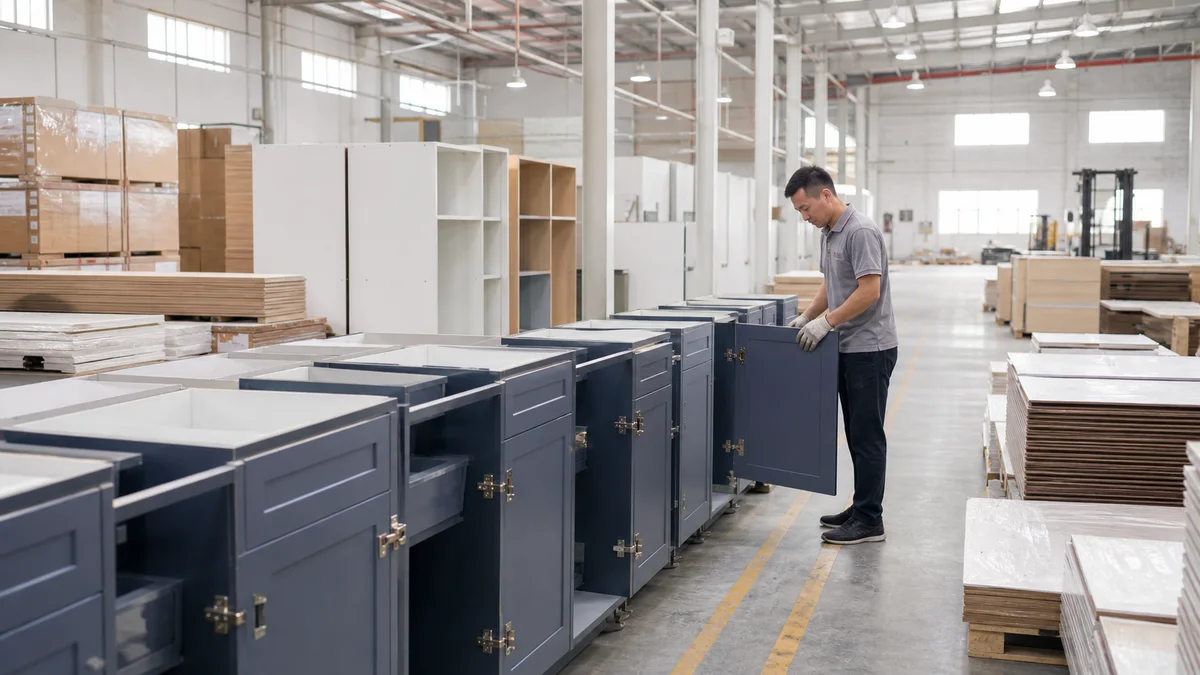
How to Source Kitchen Cabinets from China: A 2026 Buyer's Guide
Step-by-step guide to sourcing kitchen cabinets from China — specs, choosing a manufacturer, samples, pricing, QC and shipping. Avoid the common mistakes.
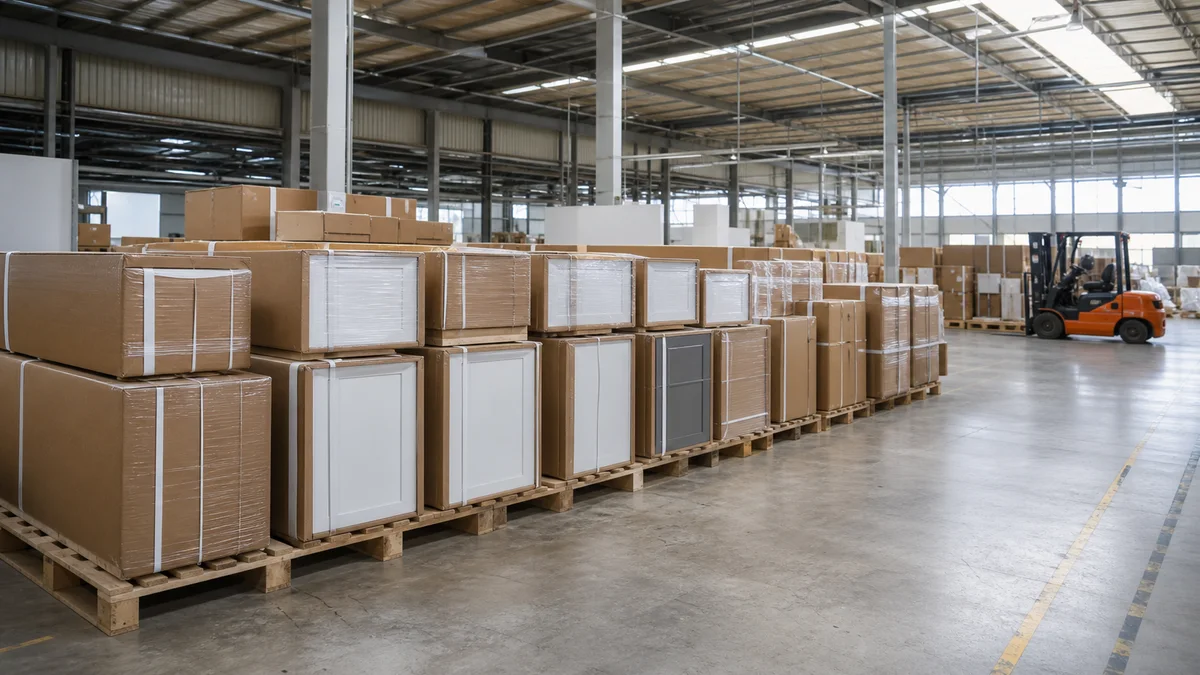
Kitchen Cabinet MOQ, Lead Time & Pricing Explained (2026)
How cabinet MOQ, lead time and pricing actually work when buying from a China factory — what drives each, and practical ways to lower your landed cost.
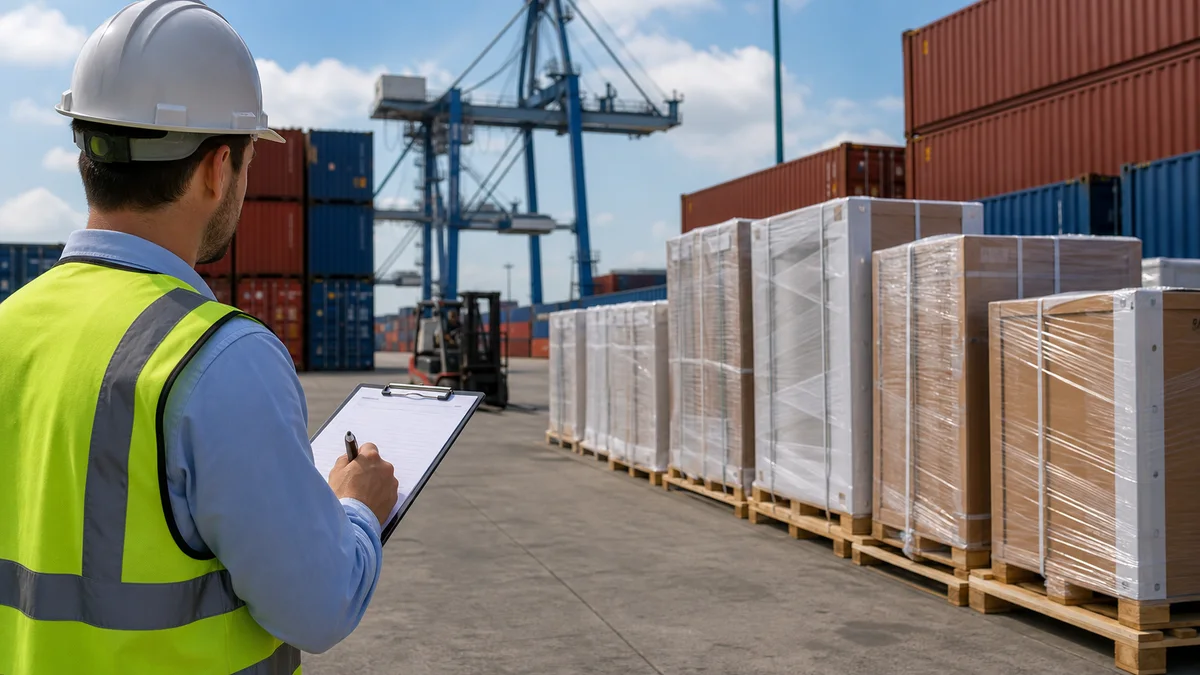
Importing Cabinets & Doors from China: Docs & Duties (2026)
How to import cabinets and doors from China — documents, HS codes and duties, choosing a forwarder, port and delivery, and customs pitfalls to avoid.