
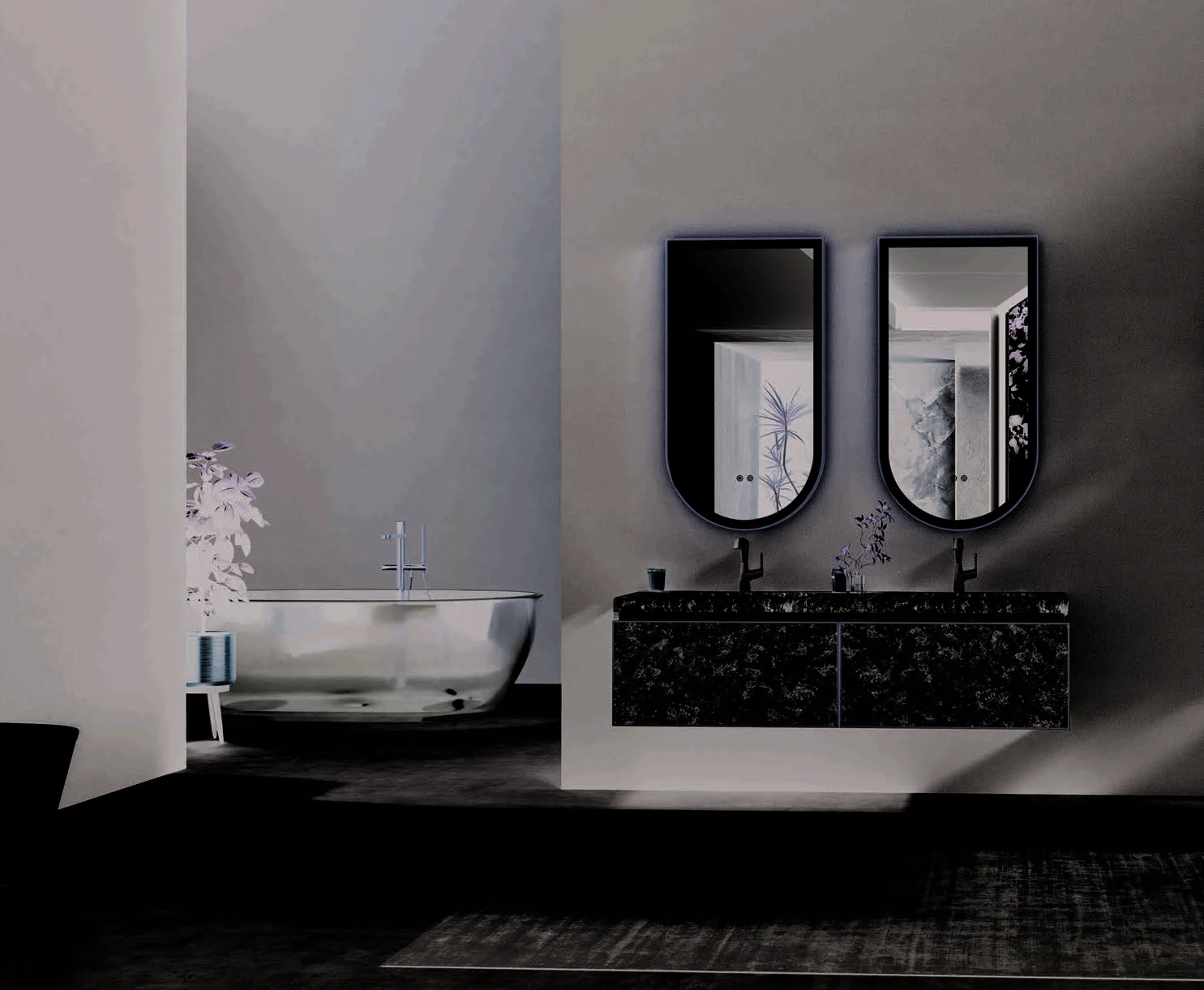
Plywood cabinet construction
Specified plywood components can improve tolerance and fixing performance in suitable applications.
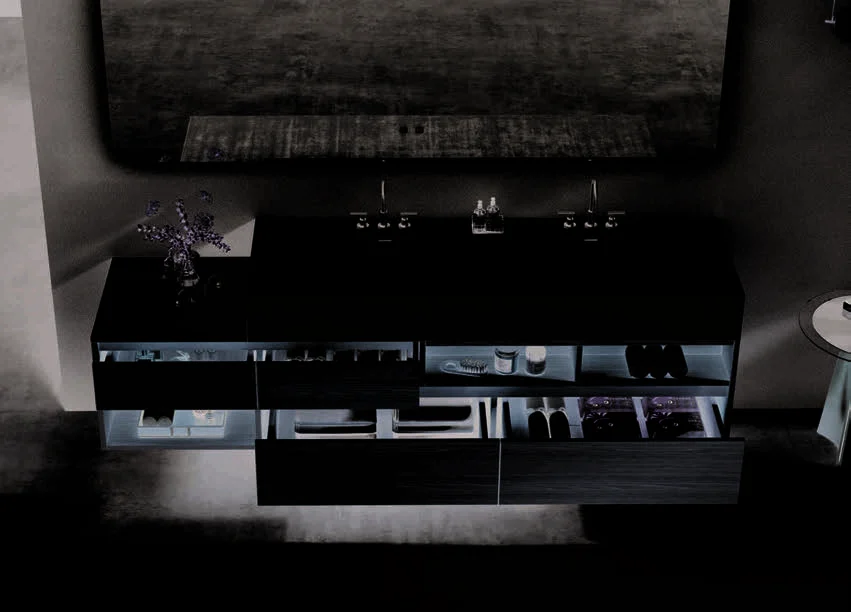
Bathroom vanities · Material performance
Bathroom cabinetry should be designed to resist normal humidity and incidental moisture, but no cabinet is universally waterproof. Panel grade, surface, sealed edges, plumbing, ventilation and installation jointly determine performance.
Product guidance for project buyers
Plywood may provide stronger moisture tolerance than some standard boards, depending on its grade, glue line, face and construction. The exact product must be identified rather than relying on the word “plywood.”
Water entering open edges, fixing holes or unsealed cut-outs can still damage a cabinet. Ventilation, leak prevention and correct site sealing remain essential.
Product focus
A durable bathroom cabinet combines appropriate materials with protected details and responsible site conditions.
Specified plywood components can improve tolerance and fixing performance in suitable applications.
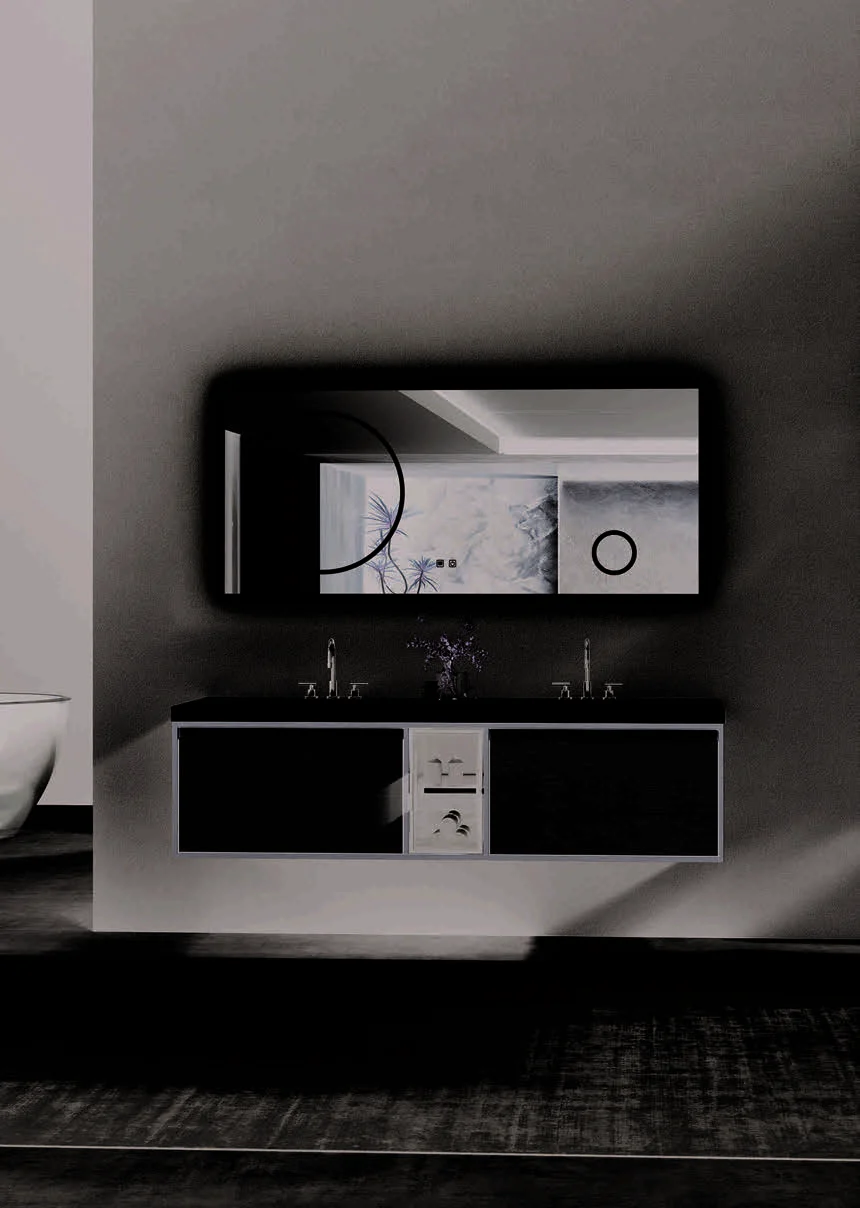
Coated faces, sealed edges and organised plumbing zones reduce avoidable exposure.
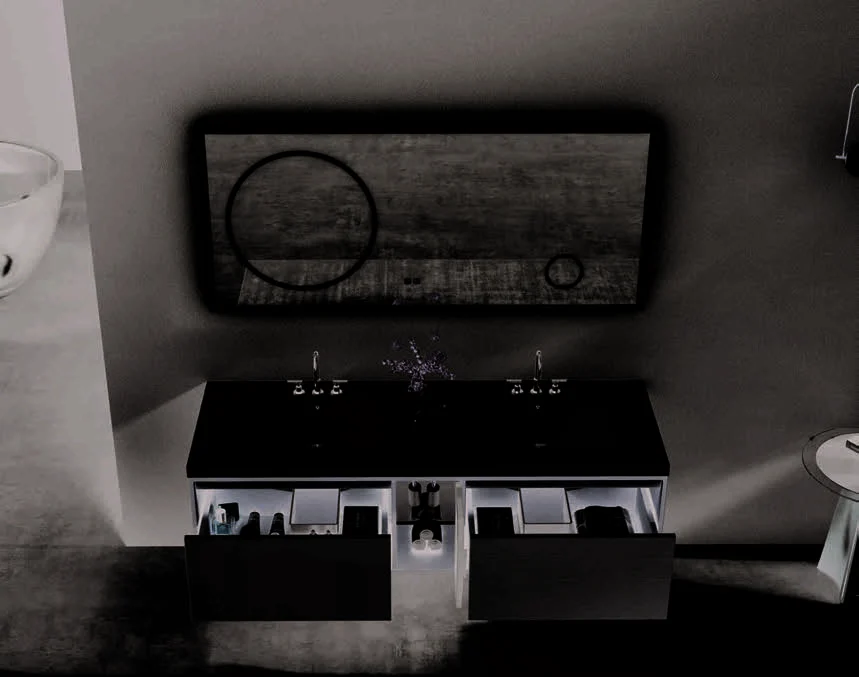
Keeping vulnerable edges away from standing floor water can form part of the risk-control strategy.
Specification checkpoints
These controls define the real construction and the exposure it is expected to withstand.
Record plywood type, thickness, core quality and relevant supplier information.
Choose laminate, paint, veneer or other approved face and backing layers.
Seal exposed edges, basin cut-outs, service holes and fixing penetrations appropriately.
Assess shower proximity, wet cleaning, leaks and standing-water risk.
Use hinges, runners and metal components appropriate to the bathroom environment.
Require functional room ventilation, leak repair and routine drying and care.
Configuration framework
The schedule should name the material and protective treatment for carcass, fronts, edges and countertop interfaces.
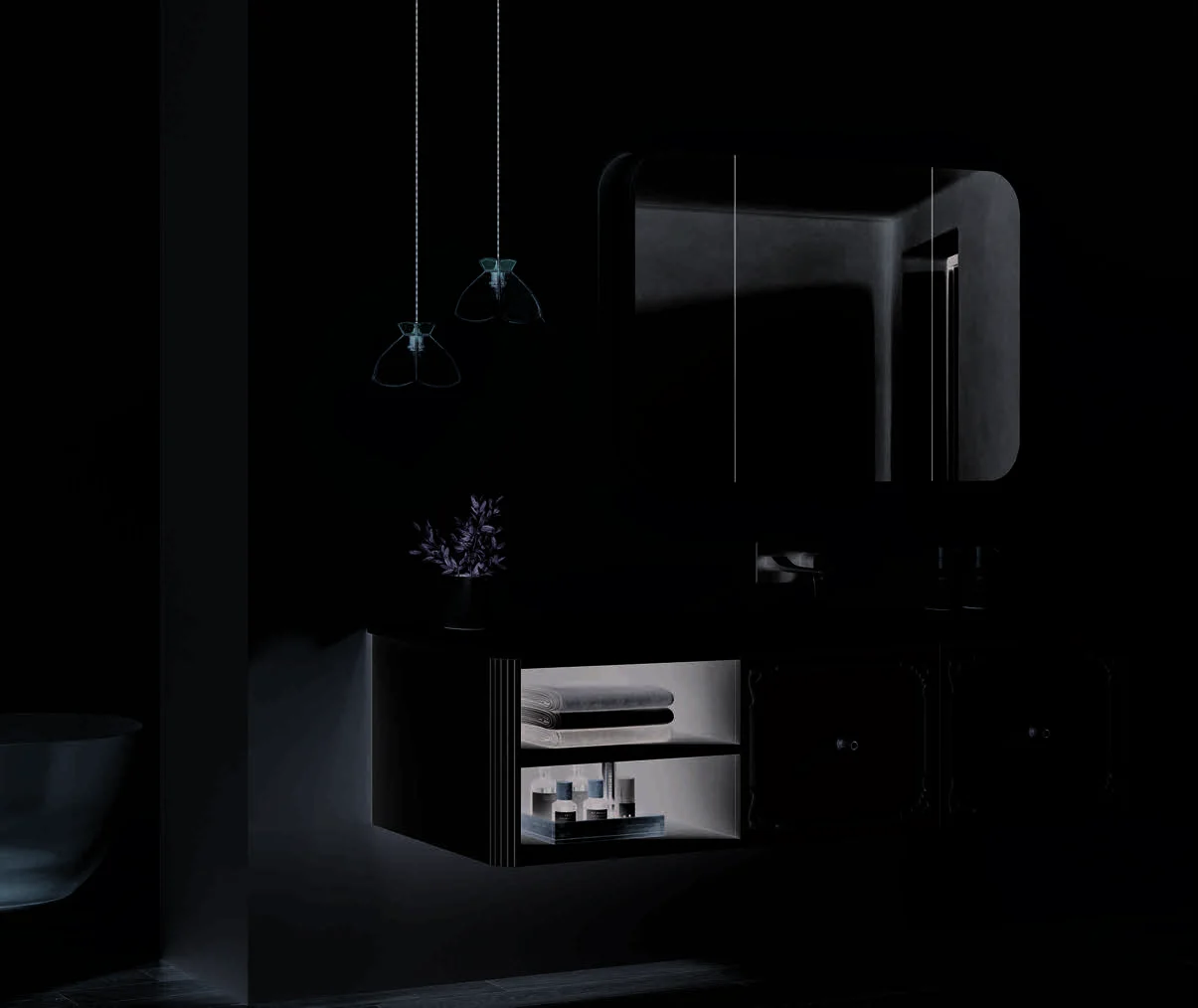
Define plywood or other board type, thickness, face and backing.
State front construction, coating and edge treatment independently.
Protect countertop and cabinet cut-outs around wastes, taps and supplies.
Provide access and avoid untreated edges in likely leak or cleaning zones.
Specify compatible hinges, runners, handles and fixings.
Clarify installer-applied sealant, wall junction and plumbing-test responsibilities.
Project fit
The approach suits bathrooms with known humidity and splash exposure when project teams also manage ventilation and installation.
Frequent use makes sealed edges, accessible plumbing and durable hardware important.
Repeatable wet-zone detailing supports maintenance across multiple rooms.
Material and metal choices can be reviewed against higher ambient humidity.
Practical finishes and service access can support cleaning and maintenance routines.
Details that affect the order
Inspect the areas around the basin, plumbing and cabinet base rather than judging performance only from the visible front.
Prepare a useful inquiry
These details support an appropriate material and detailing recommendation without overstating performance.
Show shower, bath, basin, floor waste and cabinet location.
Describe splash, humidity, cleaning and standing-water risks.
Provide plywood grade or performance documentation if already specified.
Send models, cut-outs and service positions.
Identify surface, edge and metal requirements.
State ventilation, sealing, plumbing test and installation scope.
Buyer questions
These answers intentionally avoid absolute performance claims.
No. Performance depends on plywood grade, surface, edge sealing, penetrations, installation, ventilation and exposure.
Any prolonged leak can damage cabinetry. Plumbing should be tested, accessible and repaired promptly.
Wet-zone edges and penetrations should receive appropriate protection according to the approved construction.
It can reduce contact with floor water, but splash, humidity, plumbing leaks and unsealed cut-outs still matter.
Hardware and metal finishes should be chosen for the bathroom environment and confirmed against the project specification.
Send bathroom layout, exposure conditions, material requirement, basin and plumbing, finish, quantity and destination.
Start with available project information
Share the bathroom layout, plumbing and expected wet conditions. We will identify the panel, edge and installation details that require approval.
Cabinetry guides, finishes and project updates.