
How to Source Kitchen Cabinets from China: A 2026 Buyer's Guide
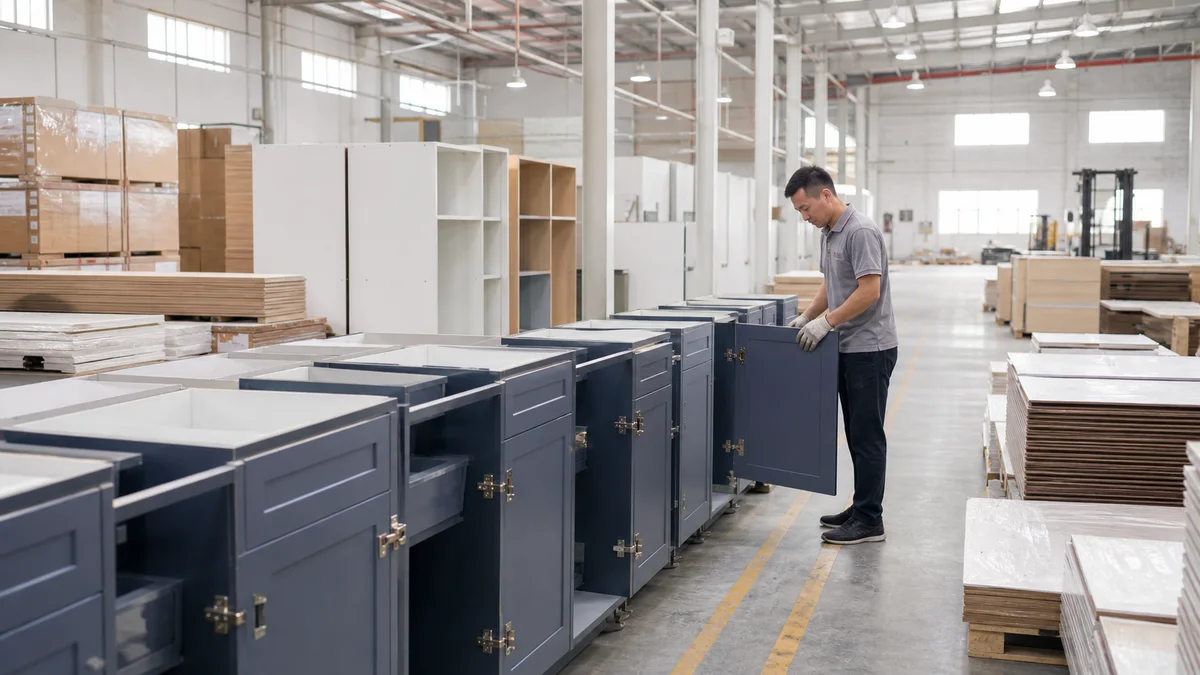
Sourcing kitchen cabinets from China can cut project costs significantly — but only if you manage specs, quality and logistics well. This guide walks you through the process step by step, from defining your requirements to landing the container, plus the mistakes that catch first-time buyers.
Why buyers source kitchen cabinets from China
China — and Foshan in particular — is one of the world's largest cabinetry manufacturing hubs, with mature supply chains for boards, hardware and finishes in one place. For developers, contractors and distributors, that usually means lower unit cost, wide customization, and the capacity to repeat the same kitchen reliably across dozens or hundreds of units. The trade-off is distance: you manage the process remotely, so a clear spec and disciplined quality control matter more than they would locally.
Step 1 — Define your specification before you ask for prices
A vague enquiry gets a vague quote. Before you contact suppliers, pin down: door style (for example custom kitchen cabinets in modern, shaker or classic), front material and finish, carcass board, countertop, hardware brand or grade, sizes or drawings, quantities, destination port, and target budget. If you have architectural drawings or a layout, share them — it lets a manufacturer quote accurately and prepare shop drawings.
A good rule: the more precisely you describe the cabinet materials and finishes you want, the closer the first quote will be to the final price.
Step 2 — Shortlist and verify the manufacturer
Not every supplier that quotes is a factory. Distinguish a real manufacturer from a trading company — it affects price, quality control and lead time. Ask directly whether they own the factory, request photos or a video walkthrough of the workshop, and confirm which product lines they actually build in-house versus source. Verify the business licence and, if possible, arrange a video call or a factory visit.
Signals of a credible manufacturer: consistent substrates and hardware, real production and our factory and quality inspection footage rather than only finished-product photos, and a willingness to provide references or case projects.
Step 3 — Get samples and shop drawings
Never commit a container order on a catalogue photo. Request physical material and finish samples, and — for custom work — CAD or shop drawings for sign-off. This is where you confirm colour match, door construction and hardware feel. Approving samples and drawings in writing protects both sides: the units you sign off should be the units that ship.
Step 4 — Understand pricing and trade terms
Quotes come under different Incoterms, and comparing them incorrectly is a common error. The three you'll see most:
- FOB — price to the port of loading; you arrange onward freight and import.
- CIF — includes sea freight and insurance to your destination port.
- DDP — delivered, duties paid, to your door (highest convenience, highest price).
Always compare quotes on the same term, and clarify what is and isn't included (packing, pallets, documents). Payment terms are usually a deposit plus balance against shipping documents; agree these up front.
Step 5 — Production, follow-up and quality inspection
Once the order is placed, don't go quiet. A reliable supplier gives production updates and allows inspection. Confirm the checkpoints: incoming material, in-process, and pre-shipment inspection. You can inspect yourself, appoint a third-party inspection agency, or request a video inspection before the container is sealed. Pre-shipment QC is your last, cheapest chance to catch problems — use it.
Step 6 — Packing, shipping and import
Cabinets are bulky and fragile, so packing matters: export-grade cartons, corner protection, and a sensible container-loading plan. Decide between assembled (faster to install, more volume) and RTA flat-pack (lower freight, some on-site assembly). On the import side, prepare for your destination's requirements — commercial invoice, packing list, the correct HS code, and any duties. If in doubt, a freight forwarder or customs broker in your country will save you time.
Common mistakes to avoid
- Comparing quotes on different Incoterms — FOB against DDP looks cheaper but isn't.
- Skipping samples — a small sample cost prevents a container-sized mistake.
- No written sign-off on colour, drawings and hardware.
- No pre-shipment inspection — the most expensive corner to cut.
- Assuming "factory" without checking — trading companies add margin and a communication layer.
FAQ
Frequently asked questions
How long does it take to get kitchen cabinets from China?
Lead time is quoted per order after design sign-off, then add sea-freight transit to your port. Ask each supplier to state production time and shipping time separately.
What's the minimum order quantity (MOQ)?
It depends on the category and configuration. Share your quantities and the manufacturer will confirm — project volumes are generally welcomed.
Can cabinets be made to my drawings?
Yes. A custom manufacturer builds to your sizes, layouts, materials, finishes and hardware from your drawings.
Assembled or flat-pack — which should I choose?
Assembled installs faster; RTA flat-pack lowers freight and fills containers better. Choose based on your freight cost and on-site labour.
Start a conversation
Send your drawings and quantities for CAD, samples and pricing
Get a Factory-Direct QuoteKeep reading
Related posts
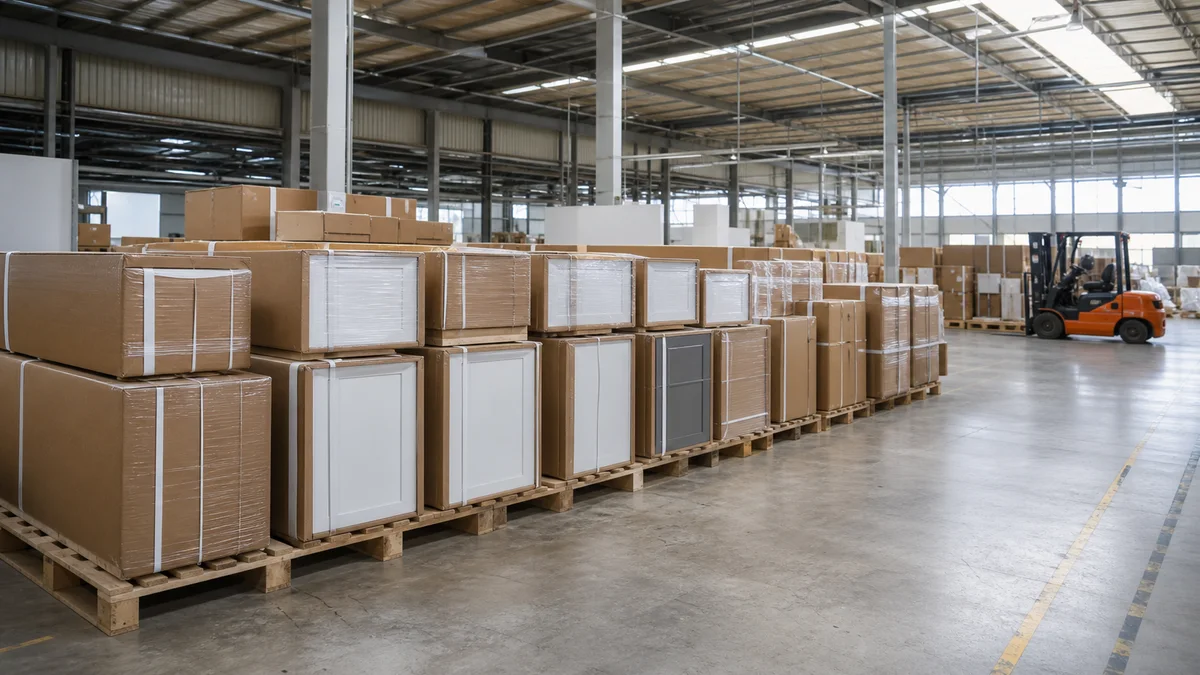
Kitchen Cabinet MOQ, Lead Time & Pricing Explained (2026)
How cabinet MOQ, lead time and pricing actually work when buying from a China factory — what drives each, and practical ways to lower your landed cost.
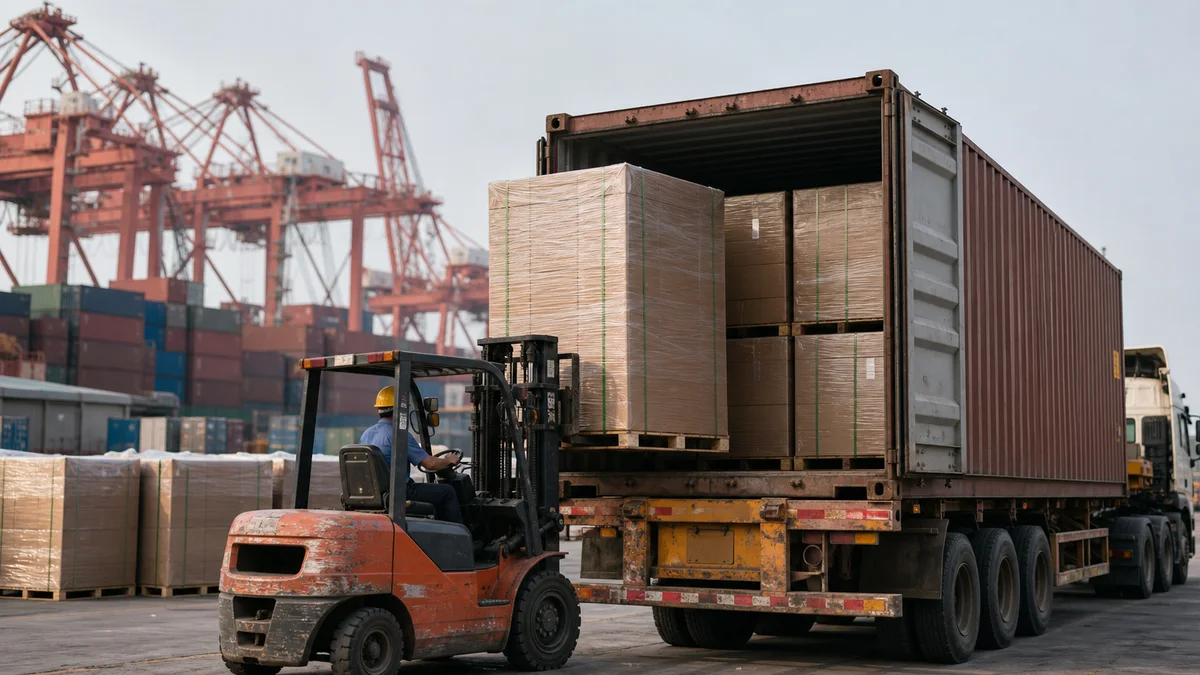
FOB vs CIF vs DDP: Shipping Cabinets from China (2026)
FOB, CIF and DDP explained for cabinet buyers — what each Incoterm includes, who carries the risk, and which term to choose when importing from China.

China vs Local Kitchen Cabinet Suppliers: An Honest Comparison (2026)
Cost, lead time, quality control and communication — an honest comparison of buying kitchen cabinets from China versus a local supplier, and when each wins.